 |
|
||||

 |
|||
 |
|||
 |
|||
|
|
|||
 |
|||
|
|||
 |
|||
|


 |
 |
 |
 |
 |
 |
 |
 |
 |
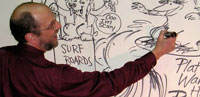
| I've been working hard to give kids and teachers activities to use to help with creative writing. If you've been to one of my workshops, you know creativity is fantastic fun! So, here is a line-up of fun things on my site. I'm up to over 300 pages, and adding more all the time. You'll find plenty of free activities and information on all kinds of things that are meant to get creative juices flowing. I'm now also starting to offer additional creative writing helps that can be purchased. Enjoy the site! And feel free to email me with your comments! | ||||||||||||||||||||||||||||||||||||||||||||||||||||||||||||||||||||||||||||||||||||||||||||||||||||||||||||||||||||||||
|
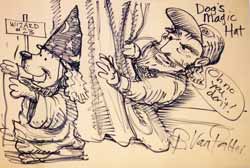
Want to see some food art? This is another way I use my creativity in our family, though my wife thinks if I have time to play with lunchmeat, I have too much time on my hands. Learn to juggle! These three pages will give you the basics. Hey, if this bear can do it, so can you! Go on a Scavenger Hike or a Town Treasure Hunt! These are a great way to get outdoors as a family and learn to truly notice things. More drawings! See a page of drawings I've created just this year in schools! (Or see the 187 drawings I drew during the last school year) Some of these drawings are bound to make you ask -- what is going in this picture?? Also, here's a page of my favorite drawings I've done in schools. Odd animals! Here are some animals that lumberjacks have made up. There are many more I've discovered in old books -- I hope to post more soon. Stars in your eyes? Here's help finding a few summer constellations -- plus my own funny versions! Strange but true inventions! Here are some of the weirdest things ever given a patent by our government. I've drawn some of them for you, too. Here's a list of some odd museums in our country. Art Monkeys! See my beginning collection of monkeys in great paintings. Fortune Cookie Stories? Here's how to bake up a good tale from using fortune cookies. There sure are many strange ways to greet people across the world. Would you like to watch silent comedies? Here's a guide to watching them with kids. People are always asking me about my books. I've finally posted a page to highlight them.
|
|
||||||||||||||||||||||||||||||||||||||||||||||||||||||||||||||||||||||||||||||||||||||||||||||||||||||||||||||||||||||
|
||||||||||||||||||||||||||||||||||||||||||||||||||||||||||||||||||||||||||||||||||||||||||||||||||||||||||||||||||||||||